Mostrando postagens com marcador Livro. Mostrar todas as postagens

domingo, 8 de fevereiro de 2015

Dissonância Cognitiva

Criada por Leon Festinger e Carl Smith em 1959, defende a ideia de que as pessoas são geralmente auto-motivadas no sentido de reduzir a incoerência de ideias mediante a alteração das suas percepções, ao mesmo tempo que criam outras cognições para cimentar o seu sistema de crenças – ou, em alternativa, reduzindo a importância que se dá aos elementos ideológicos dissonantes e incoerentes que podem perturbar o seu sistema de crenças.

Quando as pessoas pretendem que as suas expectativas se tornem reais, exigem que a realidade se adeqúe àquilo que elas pensam que deveria ser, no sentido de encontrarem um senso de equilíbrio. Mas quando a realidade não se adequa àquilo que essas pessoas pensam que deveria ser, então elas entram em dissonância cognitiva e numa sensação de desconforto e de mal-estar. Para obviar a esta situação, essas pessoas tentarão sempre evitar situações ou fontes de informação que dêem azo a sentimentos de desconforto e, por isso, de dissonância cognitiva.


Nietzsche aprofunda o tema com a transvaloração: entende o processo pelo qual a dissonância cognitiva passa para a história, o modo pelo qual os valores vão mudando ao longo do tempo. Nos primeiros choques, a consciência rejeitaria as contradições de seus "princípios" assentados em convicções. Depois, o indivíduo começa a envergonhar-se de suas evidências, e por fim a admitir o que antes seria impossível.

Wtf? Lendo  "Decifrar Pessoas" de Jo-Ellan

Bibliografia:

domingo, 28 de dezembro de 2014

Rory Gilmore Reading Challenge

Aquele momento que você percebe quem moldou sua infância :)
Notas de 0 - 10

1984 by George Orwell (10)
A Bolt from the Blue and Other Essays by Mary McCarthy (Biografia)
A Christmas Carol by Charles Dickens (Canção de Natal: Inspirou o Tio Patinhas)
A Clockwork Orange by Anthony Burgess (Laranja Mecânica: 9)
A Comedy of Errors by William Shakespeare (A Comédia dos Erros: Peça)
A Confederacy of Dunces by John Kennedy Toole (Uma Confraria de Tolos: 9)
A Heartbreaking Work of Staggering Genius by Dave Eggers (Uma Comovente Obra de Espantoso Talento: Ficção Autobiográfica)
Alice in Wonderland by Lewis Carroll (Alice no País das Maravilhas: 6. Era muito pequena, não lembro bem)
A Monetary History of the United States by Milton Friedman
A Month Of Sundays: Searching For The Spirit And My Sister by Julie Mars
A Moveable Feast by Ernest Hemingway (Paris é Uma Festa: Memórias)
An American Tragedy by Theodore Dreiser (Uma Tragédia Americana)
Angela’s Ashes by Frank McCourt (As Cinzas de Angela)
Anna Karenina by Leo Tolstoy (9)
Anne Frank: The Diary of a Young Girl by Anne Frank (O Diário de Anne Frank: 7)
A Passage to India by E.M. Forster (Uma Passagem Para a Índia: História Romanceada)
A Quiet Storm by Rachel Howzell Hall
Archidamian War by Donald Kagan (Histórico: Guerra do Peloponeso)
A Room of One’s Own by Virginia Woolf (Um Teto Todo Seu: Ensaio)
A Room with a View by E. M. Forster
A Separate Peace by John Knowles (Uma Ilha de Paz)
As I Lay Dying by William Faulkner (Enquanto Agonizo: Romance)
A Streetcar Named Desiree by Tennessee Williams (Um bonde chamado Desejo: Peça)
A Tale of Two Cities by Charles Dickens (Um Conto de Duas Cidades: Romance Histórico)
A Tree Grows in Brooklyn by Betty Smith
Atonement by Ian McEwan (Reparação)
Autobiography of a Face by Lucy Grealy
Babe by Dick King-Smith (Aquele dos filmes do porquinho mesmo)
Backlash: The Undeclared War Against American Women by Susan Faludi (Análise do movimento feminista))
Balzac and the Little Chinese Seamstress by Dai Sijie (Balzac e a Costureirinha Chinesa: Romance Histórico)
Bel Canto by Ann Patchett
Beloved by Toni Morrison (Amada: Romance Histórico)
Beowulf: A New Verse Translation by Seamus Heaney (Começei, não terminei)
Bitch in Praise of Difficult Women by Elizabeth Wurtzel
Brave New World by Aldous Huxley (Admirável Mundo Novo: Ficção Científica)
Brick Lane by Monica Ali (Um lugar chamado Brick Lane)
Bridgadoon by Alan Jay Lerner
Candide by Voltaire
Carrie by Stephen King (6 - O Primeiro S.King que eu li: 3)
Catch-22 by Joseph Heller (7 - Ardil-22)
Charlotte’s Web by E. B. White (A Teia de Charlotte)
Christine by Stephen King  (7)
Complete Novels by Dawn Powell
Complete Stories by Dorothy Parker
Cousin Bette by Honor’e de Balzac
Crime and Punishment by Fyodor Dostoevsky
Cujo by Stephen King
Daisy Miller by Henry James
Daughter of Fortune by Isabel Allende
David and Lisa by Dr Theodore Issac Rubin M.D
David Copperfield by Charles Dickens
Dead Souls by Nikolai Gogol
Death of a Salesman by Arthur Miller
Deenie by Judy Blume
Demons by Fyodor Dostoyevsky
Divine Secrets of the Ya-Ya Sisterhood by Rebecca Wells
Don Quijote by Cervantes (9)
Driving Miss Daisy by Alfred Uhrv
Dr. Jekyll & Mr. Hyde by Robert Louis Stevenson
Edgar Allan Poe: Complete Tales & Poems by Edgar Allan Poe (10. Devo ter lido todos, ou quase isso - n)
Eleanor Roosevelt by Blanche Wiesen Cook
Ella Minnow Pea: A Novel in Letters by Mark Dunn
Eloise by Kay Thompson
Emily the Strange by Roger Reger
Emma by Jane Austen (5. O melhor da Jane Austen qua já li, não sou fã.)
Empire Falls by Richard Russo
Encyclopedia Brown: Boy Detective by Donald J. Sobol
Ethan Frome by Edith Wharton
Ethics by Spinoza
Europe through the Back Door, 2003 by Rick Steves
Eva Luna by Isabel Allende (4)
Everything Is Illuminated by Jonathan Safran Foer
Extravagance by Gary Krist
Fahrenheit 451 by Ray Bradbury
Fahrenheit 9/11 by Michael Moore
Fat Land: How Americans Became the Fattest People in the World by Greg Critser
Fear and Loathing in Las Vegas by Hunter S. Thompson
Fiddler on the Roof by Joseph Stein
Finnegan’s Wake by James Joyce
Fletch by Gregory McDonald
Flowers for Algernon by Daniel Keyes
Franny and Zooey by J. D. Salinger
Frankenstein by Mary Shelley (8)
Freaky Friday by Mary Rodgers
Galapagos by Kurt Vonnegut
Gender Trouble by Judith Butler
George W. Bushism: The Slate Book of the Accidental Wit and Wisdom of our 43rd President by
Gidget by Fredrick Kohner
Girl, Interrupted by Susanna Kaysen
Goldilocks and the Three Bears by Alvin Granowsky
Gone with the Wind by Margaret Mitchell
Great Expectations by Charles Dickens
Hamlet by William Shakespeare (9)
Harry Potter and the Goblet of Fire by J. K. Rowling (10. JK me fez amar livros)
Harry Potter and the Sorcerer’s Stone by J. K. Rowling (10)
Heart of Darkness by Joseph Conrad
Helter Skelter: The True Story of the Manson Murders by Vincent Bugliosi and Curt Gentry
Henry IV by William Shakespeare
Henry V by William Shakespeare
High Fidelity by Nick Hornby
Holidays on Ice: Stories by David Sedaris
House of Sand and Fog by Andre Dubus III
Howl by Allen Gingsburg (sentado no meu pc a uns 2 anos)
How to Breathe Underwater by Julie Orringer
How the Grinch Stole Christmas by Dr. Seuss
How the Light Gets in by M. J. Hyland
I’m with the Band by Pamela des Barres
In Cold Blood by Truman Capote
Inherit the Wind by Jerome Lawrence and Robert E. Lee
Iron Weed by William J. Kennedy
It Takes a Village by Hillary Clinton
Jacob Weisberg
Jane Eyre by Charlotte Brontë
Julius Caesar by William Shakespeare
Just a Couple of Days by Tony Vigorito
Lady Chatterleys’ Lover by D. H. Lawrence
Leaves of Grass by Walt Whitman
Less Than Zero by Bret Easton Ellis
Letters to a Young Poet by Rainer Maria Rilke
Lies and the Lying Liars Who Tell Them by Al Franken
Life of Pi by Yann Martel
Little Dorrit by Charles Dickens
Little Women by Louisa May Alcott
Living History by Hillary Rodham Clinton
Lord of the Flies by William Golding
Macbeth by William Shakespeare
Madame Bovary by Gustave Flaubert
Marathon Man by William Goldman
Memoirs of a Dutiful Daughter by Simone de Beauvoir
Memoirs of General W. T. Sherman by William Tecumseh Sherman
Mencken’s Chrestomathy by H. R. Mencken
Middlesex by Jeffrey Eugenides
Moby Dick by Herman Melville
Moliere: A Biography by Hobart Chatfield Taylor
Monsieur Proust by Celeste Albaret
My Lai 4: A Report on the Massacre and It’s Aftermath by Seymour M. Hersh
My Life as Author and Editor by H. R. Mencken
My Life in Orange: Growing Up with the Guru by Tim Guest
My Sister’s Keeper by Jodi Picoult
Mrs. Dalloway by Virginia Woolf
Me Talk Pretty One Day by David Sedaris
Mutiny on the Bounty by Charles Nordhoff and James Norman Hall
Nervous System: Or, Losing My Mind in Literature by Jan Lars Jensen
New Poems of Emily Dickinson by Emily Dickinson
Nickel and Dimed by Barbara Ehrenreich
Night by Elie Wiesel
Northanger Abbey by Jane Austen
Novels 1930-1942: Dance Night/Cme Back to Sorrento, Turn, Magic Wheel/Angels on Toast/A Time to be Born by Dawn Powell
Notes of a Dirty Old Man by Charles Bukowski
Of Mice and Men by John Steinbeck
Old School by Tobias Wolff
Oliver Twist by Charles Dickens
One Day in the Life of Ivan Denisovitch by Alexander Solzhenitsyn
One Flew Over the Cuckoo’s Nest by Ken Kesey
One Hundred Years of Solitude by Gabriel Garcia Marquez
On the Road by Jack Kerouac
Oracle Night by Paul Auster
Oryx and Crake by Margaret Atwood
Othello by Shakespeare
Our Mutual Friend by Charles Dickens
Out of Africa by Isac Dineson
Peyton Place by Grace Metalious
Pigs at the Trough by Arianna Huffington
Pinocchio by Carlo Collodi
Please Kill Me: The Uncensored Oral History of Punk Legs McNeil and Gillian McCain
Pride and Prejudice by Jane Austen (3. Eu realmente não gosto de J. Austen)
Property by Valerie Martin
Pushkin: A Biography by T. J. Binyon
Pygmalion by George Bernard Shaw
Quattrocento by James Mckean
Rapunzel by Grimm Brothers (Nunca li o original :/)
Reading Lolita in Tehran: A Memoir in Books by Azar Nafisi
Rebecca by Daphne du Maurier
Rebecca of Sunnybrook Farm by Kate Douglas Wiggin
Rescuing Patty Hearst: Memories From a Decade Gone Mad by Virginia Holman
R Is for Ricochet by Sue Grafton
Rita Hayworth by Stephen King
Robert’s Rules of Order by Henry Robert
Roman Fever by Edith Wharton
Romeo and Juliet by William Shakespeare (8. Primeiro Shakespeare)
Rosemary’s Baby by Ira Levin
Sacred Time by Ursula Hegi
Sanctuary by William Faulkner
Savage Beauty: The Life of Edna St. Vincent Millay by Nancy Milford
Seabiscuit: An American Legend by Laura Hillenbrand
Secrets of the Flesh: A Life of Colette by Judith Thurman
Selected Letters of Dawn Powell: 1913-1965 by Dawn Powell
Sense and Sensibility by Jane Austen
Several Biographies of Winston Churchill
Sexus by Henry Miller
Shane by Jack Shaefer
Siddhartha by Hermann Hesse
S Is for Silence by Sue Grafton
Slaughter-house Five by Kurt Vonnegut
Small Island by Andrea Levy
Snows of Kilimanjaro by Ernest Hemingway
Snow White and Rose Red by Grimm Brothers
Social Origins of Dictatorship and Democracy: Lord and Peasant in the Making of the Modern World by Barrington Moore
Songbook by Nick Hornby
Song of the Simple Truth: The Complete Poems of Julia de Burgos by Julia de Burgos
Sonnets from the Portuegese by Elizabeth Barrett Browning
Sophie’s Choice by William Styron
Speak, Memory by Vladimir Nabokov
Stiff: The Curious Lives of Human Cadavers by Mary Roach
Stuart Little by E. B. White
Sun Also Rises by Ernest Hemingway
Sybil by Flora Rheta Schreiber
Swann’s Way by Marcel Proust
Swimming with Giants: My Encounters with Whales, Dolphins and Seals by Anne Collett
Tender Is The Night by F. Scott Fitzgerald
Term of Endearment by Larry McMurtry
The Adventures of Huckleberry Finn by Mark Twain
The Amazing Adventures of Kavalier & Clay by Michael Chabon
The Art of Fiction by Henry James
The Art of War by Sun Tzu (9)
The Awakening by Kate Chopin
The Bell Jar by Sylvia Plath (9)
The Bhagava Gita
The Bielski Brothers: The True Story of Three Men Who Defied the Nazis, Built a Village in the Forest, and Saved 1,200 Jews by Peter Duffy
The Canterbury Tales by Chaucer
The Catcher in the Rye by J. D. Salinger
The Children’s Hour by Lillian Hellman
The Crimson Petal and the White by Michel Faber
The Crucible by Arthur Miller
The Code of the Woosters by P.G. Wodehouse
The Collected Short Stories by Eudora Welty
The Collected Stories of Eudora Welty by Eudora Welty
The Complete Poems by Anne Sexton
The Count of Monte Cristo by Alexandre Dumas père
The Curious Incident of the Dog in the Night-Time by Mark Haddon
The Da Vinci -Code by Dan Brown (3. Dan Brown é muito ruim)
The Devil in the White City: Murder, Magic, and Madness at the Fair that Changed America by Erik Larson
The Dirt: Confessions of the World’s Most Notorious Rock Band by Tommy Lee, Vince Neil, Mick Mars and Nikki Sixx
The Divine Comedy by Dante (Começei, não terminei)
The Divine Secrets of the Ya-Ya Sisterhood by Rebecca Wells
The Electric Kool-Aid Acid Test by Tom Wolfe
The Fall of the Athenian Empire by Donald Kagan
The Fellowship of the Ring: Book 1 of The Lord of the Ring by J. R. R. Tolkien (Começei, não terminei. Em minha defesa eu tinha uns 9 anos)
The Five People You Meet in Heaven by Mitch Albom
The Fountainhead by Ayn Rand
The Fortress of Solitude by Jonathan Lethem
The Graduate by Charles Webb
The Grapes of Wrath by John Steinbeck
The Great Gatsby by F. Scott Fitzgerald (Começei, não terminei.)
The Godfather: Book 1 by Mario Puzo
The God of Small Things by Arundhati Roy
The Good Soldier by Ford Maddox Ford
The Gospel According to Judy Bloom
The Gnostic Gospels by Elaine Pagels
The Group by Mary McCarthy
The History of the Decline and Fall of the Roman Empire by Edward Gibbon
The Holy Barbarians by Lawrence Lipton
The House of the Spirits by Isabel Allende
The Hunchback of Notre Dame by Victor Hugo
The Iliad by Homer
The Joy Luck Club by Amy Tan
The Jumping Frog by Mark Twain
The Jungle by Upton Sinclair
The Kitchen Boy: A Novel of the Last Tsar by Robert Alexander
The Kite Runner by Khaled Hosseini
The Last Empire: Essays 1992-2000 by Gore Vidal
The Legend of Bagger Vance by Steven Pressfield
The Little Locksmith by Katharine Butler Hathaway
The Little Match Girl by Hans Christian Andersen
The Lion, The Witch and The Wardrobe by C.S. Lewis (8. Na verdade, a nota é das Crônicas de Nárnia toda)
The Lottery: And Other Stories by Shirley Jackson
The Lovely Bones by Alice Sebold
The Love Story by Erich Segal
The Manticore by Robertson Davies
The Master and Margarita by Mikhail Bulgakov
The Meaning of Consuelo by Judith Ortiz Cofer
The Merry Wives of Windsro by William Shakespeare
The Metamorphosis by Franz Kafka
The Miracle Worker by William Gibson
The Mojo Collection: The Ultimate Music Companion by Jim Irvin
The Name of the Rose by Umberto Eco
The Namesake by Jhumpa Lahiri
The Nanny Diaries by Emma McLaughlin
The Naked and the Dead by Norman Mailer
The New Way Things Work by David Macaulay
The Norton Anthology of Theory and Criticism by William E. Cain, Laurie A. Finke, Barbara E. Johnson, John P. McGowan
The Opposite of Fate: Memories of a Writing Life by Amy Tan
The Outbreak of the Peloponnesian War by Donald Kagan
The Outsiders by S. E. Hinton
The Peace of Nicias and the Sicilian Expedition by Donald Kagan
The Perks of Being a Wallflower by Stephen Chbosky
The Picture of Dorian Gray by Oscar Wilde (8)
The Polysyllabic Spree by Nick Hornby
The Portable Dorothy Parker by Dorothy Parker
The Portable Nietzche by Fredrich Nietzche
The Price of Loyalty: George W. Bush, the White House, and the Education of Paul O’Neill by Ron Suskind
The Raven by Edgar Allan Poe (O Corvo: 4)
The Razor’s Edge by W. Somerset Maugham
The Red Tent by Anita Diamant
The Return of the King: The Lord of the Rings Book 3 by J. R. R. Tolkien (É, eu sei)
The Second Sex by Simone de Beauvoir
The Secret Life of Bees by Sue Monk Kidd
The Scarecrow of Oz by Frank L. Baum
The Scarlet Letter by Nathaniel Hawthorne
The Shadow of the Wind by Carlos Ruiz Zafon
The Shining by Stephen King (8)
The Song of Names by Norman Lebrecht
The Song Reader by Lisa Tucker
The Sonnets by William Shakespeare
The Sound and the Fury by William Faulkner
The Story of My Life by Helen Keller
The Time Traveler’s Wife by Audrey Niffenegger
The Trial by Franz Kafka (O Processo: 9)
The True and Outstanding Adventures of the Hunt Sisters by Elisabeth Robinson
The Unabridged Journals of Sylvia Plath 1950-1962 by Sylvia Plath
The Vanishing Newspaper by Philip Meyers
The Virgin Suicides by Jeffrey Eugenides
The Tragedy of Richard III by William Shakespeare
The Yearling by Marjorie Kinnan Rawlings
The Year of Magical Thinking by Joan Didion
The Wizard of Oz by Frank L. Baum
Time and Again by Jack Finney
To Have and Have Not by Ernest Hemingway
To Kill a Mockingbird by Harper Lee (10)
Truth & Beauty: A Friendship by Ann Patchett
Tuesdays with Morrie by Mitch Albom
Ulysses by James Joyce
Uncle Tom’s Cabin by Harriet Beecher Stowe
Unless by Carol Shields
Valley of the Dolls by Jacqueline Susann
Vanity Fair by William Makepeace Thackeray
Velvet Underground’s The Velvet Underground and Nico (Thirty Three and a Third series) by Joe Harvard
War and Peace by Leo Tolstoy (8)
Waiting for Godot by Samuel Beckett
Walden by Henry David Thoreau
Walt Disney’s Bambi by Felix Salten
We Owe You Nothing – Punk Planet: The Collected Interviews edited by Daniel Sinker
What Colour is Your Parachute? 2005 by Richard Nelson Bolles
What Happened to Baby Jane by Henry Farrell
When the Emperor Was Divine by Julie Otsuka
Who Moved My Cheese? Spencer Johnson
Who’s Afraid of Virginia Woolf by Edward Albee
Wicked: The Life and Times of the Wicked Witch of the West by Gregory Maguire (eu quero ver o musical!!!!)
Wuthering Heights by Emily Brontë

Tenho essa lista a quase 10 anos, mas nunca adimito ela pra mim: livros demais pra ler, pouco tempo e uma tentativa de ter vida (- n).

sábado, 20 de dezembro de 2014

Sylvia Plath

Nasceu em 1932 em Boston. Era filha de Aurelia Schober e Otto Plath, Em 1940, aos 8 anos perdeu seu pai para diabetes. Ele teria sido extremamente rígido e autoritário, conforme ela retrata em seu poema "Daddy":
I never could talk to you.  (Eu nunca podia falar com você)
The tongue stuck in my jaw. (A língua presa dentro da minha garganta) 

 It stuck in a barb wire snare.  (Ela ficou presa em uma cilada de arame farpado)
Ich, ich, ich, ich, 
I could hardly speak.  (Eu mal podia falar)
I thought every German was you. (Achei que todo Alemão era você)
And the language obscene (E a linguagem obscena)

 An engine, an engine (Um motor, um motor)
 Chuffing me off like a Jew.  (Mexendo / Me deixando exausta como um Judeu)
A Jew to Dachau, Auschwitz, Belsen.  (Um Judeu para Dachau, Auschwitz, Belsen)
I began to talk like a Jew.  (Eu comecei a falar como um Judeu)
I think I may well be a Jew. (Eu acho que eu posso até ser um Judeu)

Já com 11 anos ela mantinha um jornal de poemas e os publicava em revistas e jornais regionais. Sua primeira publicação nacional veio logo após a graduação no Ensino Médio, em 1950. No mesmo ano ela se matriculou no Smith College. Apesar de uma depressão e tentativa de suicídio em 1953, ela se graduou 2 anos mais tarde. Após a graduação ela se mudou para Cambridge, onde conseguira uma bolsa de estudos. Em 1956, conheceu o poeta Ted Hughes, com quem se casou ainda em 1956.

Publicou sua primeira coleção de poemas em 1960, na Inglaterra, e lá também teve dois filhos: Frieda (1960) e Nicholas (1962).

Em 1962 Ted Hughes deixa sua esposa por Assia Gutmann Wevill. Logo após, Plath publica o que viria a ser seu mais famoso livro: Ariel. Em 1963, ela publica uma novela semi-biográfica: The Bell Jar, sob o pseudônimo de Victoria Lucas.
Em 1963, Dr. John Horder - um vizinho e amigo de Plath - a receita antidepressivos, ele passou a visita-la diariamente e a fez contratar uma enfermeira. Essa, chegou a casa da autora as 9 horas da manhã de 11 de fevereiro e a encontrou morta: ela se envenenara durante a madrugada com dióxido de carbono, colocando sua cabeça no forno, e selara esse cômodo daqueles em que as crianças encontravam-se dormindo.
Apenas Colossus foi publicado com ela ainda viva, contudo a autora chegou inclusive a ganhar o prêmio Pulitzer de 1982 por sua Coleção de poemas (foi a primeira poeta a receber tal prêmio pós-morte).

WTF? Lendo The Bell Jar.

quinta-feira, 25 de setembro de 2014

Tratados de Locarno


Foi um conjunto de 7 tratados dos governos da Alemanha, Bélgica, França, Grã-Bretanha e Itália. Foram negociados em Locarno na Suíça em 16 de outubro de 1925, e assinados em 1 de dezembro de 1925, em Londres. O tratado garantia a inviolabilidade da fronteira ocidental da Alemanha, que os Estados vizinhos França, Alemanha e Bélgica juraram tratar como inviolável. Como signatários do acordo, a Grã-Bretanha e a Itália se comprometeram a ajudar a repelir qualquer agressão armada ao longo da fronteira. A Renânia, como parte da Alemanha ocidental ocupada pelas potências vitoriosas dos Aliados após a Primeira Guerra Mundial, foi permanentemente desmilitarizada e as forças ocupantes foram retiradas. O acordo viria a ser implementado apenas quando a Alemanha fosse admitida na Liga das Nações com uma cadeira no Conselho, o que ocorreu em 1926. 

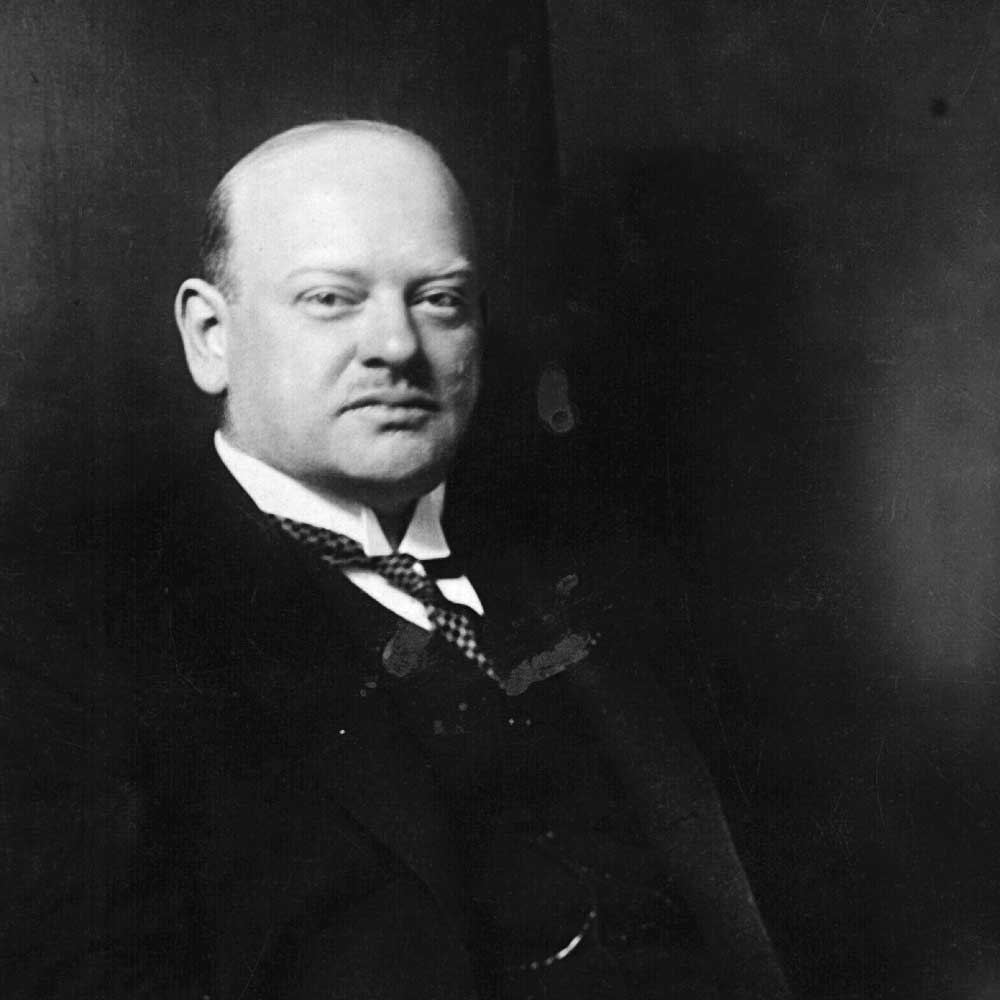
Tal acordo faz parte de uma nova política diplomatica da Alemanha (tradicionalmente de uma corrente mais agressiva) que Stresemann fazia baseada na "obediência" ao pacto de Versalhes como forma de presionar os demais signatários a cumprir igualmente sua parte. Em 9 de fevereiro de 1925 ele apresentou um plano de paz em que a Alemanha fazia concessões territoriais à França e à Bélgica. Esse foi englobado no Tratado de Locarno, assinado alguns meses mais tarde.

Nenhum comprometimento militar ou planejamento de defesa para os territórios envolvidos foi, contudo, feito. Nos termos do tratado principal, os signatários ofereciam garantias de que a Alemanha não seria reocupada pelos Aliados e, em troca, essa aceitava manter desmilitarizada a área da Renânia - o que já era previsto no Tratado de Versalhes. O governo alemão, porém, recusou-se a negociar um "Locarno no Leste", deixando claro que estava descontente com a então configuração das fronteiras orientais.
Locarno marcaria o fim do período de guerra e o início de uma nova e esperançosa era de paz e cooperação na Europa, mas essa era não sobreviveu à crise econômica e política dos anos 1930 e a ascensão do nacional-socialismo. Em 1936, Adolf Hitler denunciou o Pacto de Locarno e enviou tropas alemãs de volta à Renânia.

Stresemann


Wtf? Diplomacia do H. Kissinger

Bibliografia: 
http://www.wdl.org/pt/item/11586/ (contém o tratado na integra)
http://pt.wikipedia.org/wiki/Tratados_de_Locarno
http://www.dw.de/1925-ministro-alem%C3%A3o-stresemann-apresenta-pacto-de-seguran%C3%A7a/a-300254

P.S.: Leia o material de apoio: http://www.editorasaraiva.com.br/produto/universitario/relacoes-internacionais/diplomacia/

terça-feira, 1 de julho de 2014

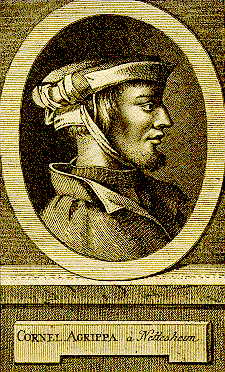
Heinrich Cornelius Agrippa

Intelectual polemista e influente escritor do esoterismo da Renascença, é considerado o primeiro intelectual feminista. Ele foi autor do livro mais lido de ocultismo\magia De occulta philosophia libri tres / Three Books of Occult Philosophy, mas foi também autor de um ataque a todos os campos de estudos humanistas (incluindo as artes ocultas), por vezes de forma anti-racional: De incertitudine et vanitate scientiarum et artium, atque excellentia Verbi Dei, declamatio invectiva / On the Uncertainty and Vanity of the Arts and Sciences: An Invective Declamation. Tais livros - inconsistentes e paradoxos entre si - eram em seu século, considerados freqüentemente heréticos.
Agrippa buscou uma renovação da religião, cultura, e da sociedade, rejeitando o falso, o medieval e o tradicional, recuperando a suposta herança antiga que inclui textos de Platão. Dos Florentinos ele utilizou do conceito da prisca theologia, de sábios que acredita-se serem anteriores até mesmo dos gregos, como Zoroaster e o Oráculo Chaldaica.
Ele assume que as relações entre símbolos (palavras, números...) e o que eles representam não é algo arbitrário, mas eternamente fixado pela ordem do Universo. As línguas, por exemplo, tem uma relação essencial e não apenas convencional com as coisas. O "poder mágico" das palavras e letras é maior se essas vem de uma língua antiga ou nobre. Além disso, se o homem fosse espiritualmente esclarecido, ele poderia recuperar  alguns dos mistérios originalmente perdidos com o pecado de Adão. A alma humana (anima), por sua vez, é tripartida (como o universo) em mens (a parte mais perto e iluminada por Deus, o intelecto); idolum (a parte baixa, a parte sensorial que linka o corpo ao mundo material, esta submetida ao destino); e  ratio (razão, a parte do meio que determina o crater e o destino). Muitas vezes em seus livros diz que apenas os "esclarecidos" compreenderiam o que ali ele dizia.


Wtf? Referencia feita no livro Frankenstein da Mary Shelley


Bibliografia:
http://en.wikipedia.org/wiki/Heinrich_Cornelius_Agrippa
http://plato.stanford.edu/entries/agrippa-nettesheim/
http://pt.wikipedia.org/wiki/Heinrich_Cornelius_Agrippa_von_Nettesheim

segunda-feira, 24 de março de 2014

Números Aleph

Uma sequência de números usados para representar o tamanho dos conjuntos infinitos representada pela letra hebraica aleph (א). Este conceito vem de Georg Cantor, quem definiu a noção de cardinalidade e percebeu que conjuntos infinitos podem possuir distintas cardinalidades.
Os números aleph são diferentes do infinito (∞), são medidas de tamanho de conjuntos; o infinito, por outro lado, é comumente definido como um limite extremo da reta real (aplicado a uma função ou sequência que "diverge no infinito" ou "é sempre crescente" ) ou um ponto extremo da reta real estendida.


WTF?
"- Quem sabe o que existe ou não existe no para-universo? Com um número infinito de interações possíveis, cada uma das quais você pode variar infinitamente de intensidade, comparando com qualquer outra que lhe sirva de parâmetro, o número de possíveis universos diferentes que podem existir é infinito.

- Possivelmente, o infinito do contínuo: Aleph 1, em vez de Aleph zero." 
Isaac Asimov, Os próprios Deuses


é o conjunto de todos os números naturais, sendo o primeiro cardinal infinito. Um conjunto possui essa se é contável e infinito, o que significa que tal conjunto tem um isomorfismo com o conjunto dos números naturais. Nessa classe incluem-se os conjuntos de números primos,números inteiros, números racionais, dos números algébricos, as cadeias binárias de tamanho finito e o conjunto de todos os subconjuntos finitos de um conjunto infinito contável.
é a cardinalidade do conjunto de todos os números ordinais contáveis, chamados de ω1 ou Ω. Note que ω1 é um ordinal maior que todos os ordinais contáveis, e, desta forma, ele mesmo é um conjunto incontável. Se o axioma da escolha for usado, é possível provar que a classe de números cardinais é completamente ordenada, e portanto é o segundo menor número cardinal infinito. Curiosamente um espaço n-dimensional tem o mesmo que um unidimensional.

terça-feira, 18 de março de 2014

Quantitative Easing (QE)

É uma política monetária inconvencional usada por bancos centrais para estimular a economia quando outras políticas parecem ineficazes. Durante um certo período o banco compra específicas quantidades de dívidas públicas de bancos e outras instituições para aumentar a liquidez do sistema. Se distingue da política mais comum de comprar ou vender títulos governamentais para manter a liquidez em um valor específico.


WTF? Do livro The Making of Global Capitalism: The political Economy of American Empire.
Foi a política usada pelos EUA com a crise de 2007 após a falência dos Lehman Brothers.Tal política demonstrou o poder do dólar já que, mesmo com uma emissão audaciosa desse, investidores e bancos centrais continuavam os obtendo. Não houve um estudo ou aparente mudança inflacionária quanto a tal nesse, mas parece não ser um problema especialmente dados os "altos" níveis de desemprego (10%) mantidos desse. A Europa parece não enfrentar tais, especialmente por já estar em políticas de austeridade. Mas os emergentes, como o Brasil, enfrentaram em 2010 os reflexo disso.


Fontes: http://en.wikipedia.org/wiki/Quantitative_easing
http://www.b-a-bes.com/nova-economia/o-que-e-uma-politica-quantitative-easing
PANITCH, Leo e GINDIN, Sam. The Making of Global Capitalism: The political Economy of American Empire, 2013.